I would wager that the opposite is also true. What's the real difference of having an action and a quick action. Or standard, move and swift. Or 3 action points?
Some games even eschew of move equivalent actions altogether, and as long as it is your turn, movement is considered part of any action you take. Action Points really shine when you get really granular, which works better when the computer does the math, like with original X-COM/Xenonauts types.
If moving costs the same as attacking twice then that makes static slug fests more appealing, as attacking twice is more visceral and esoterically 'fun' than moving and attacking. If moving is assumed to be part of your action or you have a specific % of 'Time Units' dedicated to it, then it doesn't create analysis paralysis or trade offs which was one of the best things 4e did right, making it so there were a lot of movement options, both voluntary and forced movement, which also incentivized the DM to make obstacles and other such hazards instead of "flat combat map".
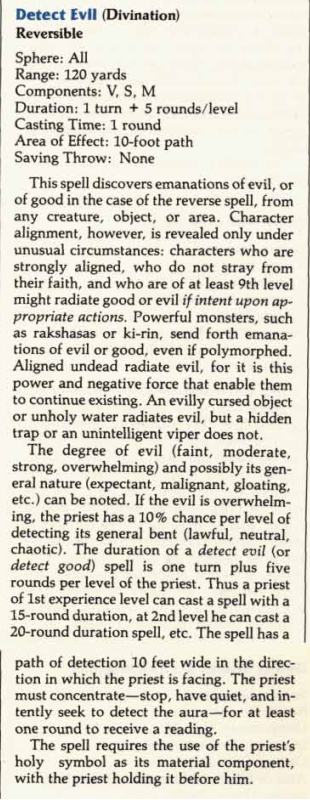
AD&D 2e is one of those games where you get 1 action, and movement is understood to be part of your action, which makes it more easy to understand and also more flexible when Players want to be creative. I do see ways where a system could leverage good action economy through action points, but again in my opinion in order for that to be worth it, you have to get really granular and at that point it does involve more bookkeeping than most would find desirable in pen and paper as opposed to letting the computer do the heavy lifting.



















 I know they really pushed for cartoon things for the spinoff and a grandma character there was very hated because her player metagamed a lot, but I can't say I recall it happening so I can't say. I did notice her becoming a sort of mascot out of nowhere much like the likes of Drizzt and it felt strange, at least to me.