Not unlike making a rogue deal the same damage as other characters in combat with their little daggers but also strictly better than those classes in the non-combat aspects of the game.
I think a thief archetype should be a debuffer in combat, throwing marbles and stuff
rogue has blurred the line between swashbuckler, thief, and assassin too much
I agree and I think that an early iteration of 4e D&D had the rogue as a Controller instead of a Striker but I suspect that changed due to playtesting feedback that should have been ignored.
Some newer indie games replace Rogue with Delver aka Indiana Jones class. I hope it gains more adoption because it is more thematic and sidesteps the moral questions about why a party of paladins works with a thief.
Last edited by J1M on April 8th, 2026, 12:46, edited 1 time in total.
Mitigation versus avoidance is hard to balance. With flat mitigation, it's theoretically better against many small attacks while avoidance is better against fewer, bigger attacks, but, in many games, the consequences of getting hit by even one big, unmitigated attack are too severe to risk it. This is the classic problem for swordmasters in Fire Emblem. They may have a really, really high chance of avoiding that berserker's axe, but, if it does connect, goodbye swordmaster.
Yes, and that challenge leads to avoidance being tuned to be good enough to be a valid choice when player characters are involved and usually ends up making it superior for factors the designers overlook. (Simple example: if I can heal enough to keep an avoidance character alive, now I have action economy to do something other than heal when the character evades. Whereas a mitigation tank needs to be healed more frequently.)
Not unlike making a rogue deal the same damage as other characters in combat with their little daggers but also strictly better than those classes in the non-combat aspects of the game.
I think a thief archetype should be a debuffer in combat, throwing marbles and stuff
rogue has blurred the line between swashbuckler, thief, and assassin too much
Even the 2nd Edition Complete Thief's Handbook suggestions things like this. Bags of marbles for getaways and pouches of aniseed to throw off the trail of dogs. There was also a special kind of pitch called weaponblack you could apply to your sword to keep it from reflecting in the light and it could be lit on fire in emergencies for a damage bonus.
I've always been fond of the thief as a surgical striker and master tactician.
EDIT EDIT: The dickass who never gets hit because he's already gone and whatever you were hit by was something he planned three moves in advance.
Last edited by Tweed on April 8th, 2026, 03:30, edited 2 times in total.
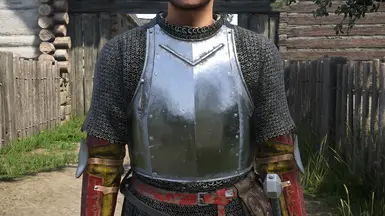
you can choose plate armor or chainmail, but never the twain shall meet
Historically, this is accurate.
Linen and thick cloth and leather gave way to chainmail, which gave way to breastplates, when they could actually make metal good enough to first make wire, then large reliable plates.
There's no point to having chain under a breastplate, because the chain will basically never stop anything that penetrated, but it will always weigh you down.
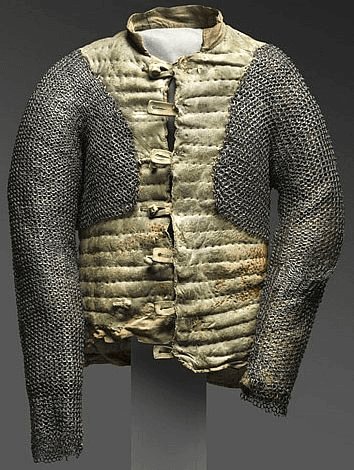
Now a gambeson with chain mail reinforcements on areas the plate doesn't cover was used historically.
Last edited by Rand on April 9th, 2026, 03:06, edited 2 times in total.
You may as well not bother replying to my posts if it's to argue anything except concrete facts or your personal opinion. I still probably won't see it.
Reject your retarded-wing political programming and learn to think.
If you can.
you can choose plate armor or chainmail, but never the twain shall meet
Historically, this is accurate.
Linen and thick cloth and leather gave way to chainmail, which gave way to breastplates, when they could actually make metal good enough to first make wire, then large reliable plates.
There's no point to having chain under a breastplate, because the chain will basically never stop anything that penetrated, but it will always weigh you down.
Now a gambeson with chain mail reinforcements on areas the plate doesn't cover was used hstorically.
you can choose plate armor or chainmail, but never the twain shall meet
Historically, this is accurate.
Linen and thick cloth and leather gave way to chainmail, which gave way to breastplates, when they could actually make metal good enough to first make wire, then large reliable plates.
There's no point to having chain under a breastplate, because the chain will basically never stop anything that penetrated, but it will always weigh you down.
Now a gambeson with chain mail reinforcements on areas the plate doesn't cover was used hstorically.
Yeah, you can do it.
Doesn't mean you should, or that it's functional.
Last edited by Rand on April 8th, 2026, 04:28, edited 2 times in total.
You may as well not bother replying to my posts if it's to argue anything except concrete facts or your personal opinion. I still probably won't see it.
Reject your retarded-wing political programming and learn to think.
If you can.
you can choose plate armor or chainmail, but never the twain shall meet
Historically, this is accurate.
Linen and thick cloth and leather gave way to chainmail, which gave way to breastplates, when they could actually make metal good enough to first make wire, then large reliable plates.
There's no point to having chain under a breastplate, because the chain will basically never stop anything that penetrated, but it will always weigh you down.
Now a gambeson with chain mail reinforcements on areas the plate doesn't cover was used hstorically.
When I see fantasy armor its either realistic armor (Which requires STR to use despite the fact real plate armor is light and flexible) or sparkledog showoff ******** like WoW armor. So already you're getting off on the wrong foot.
What does armor type look like in non-medieval fantasy games?
e.g., VTMB/urban fantasy, Standard Science Fiction, etc.,?
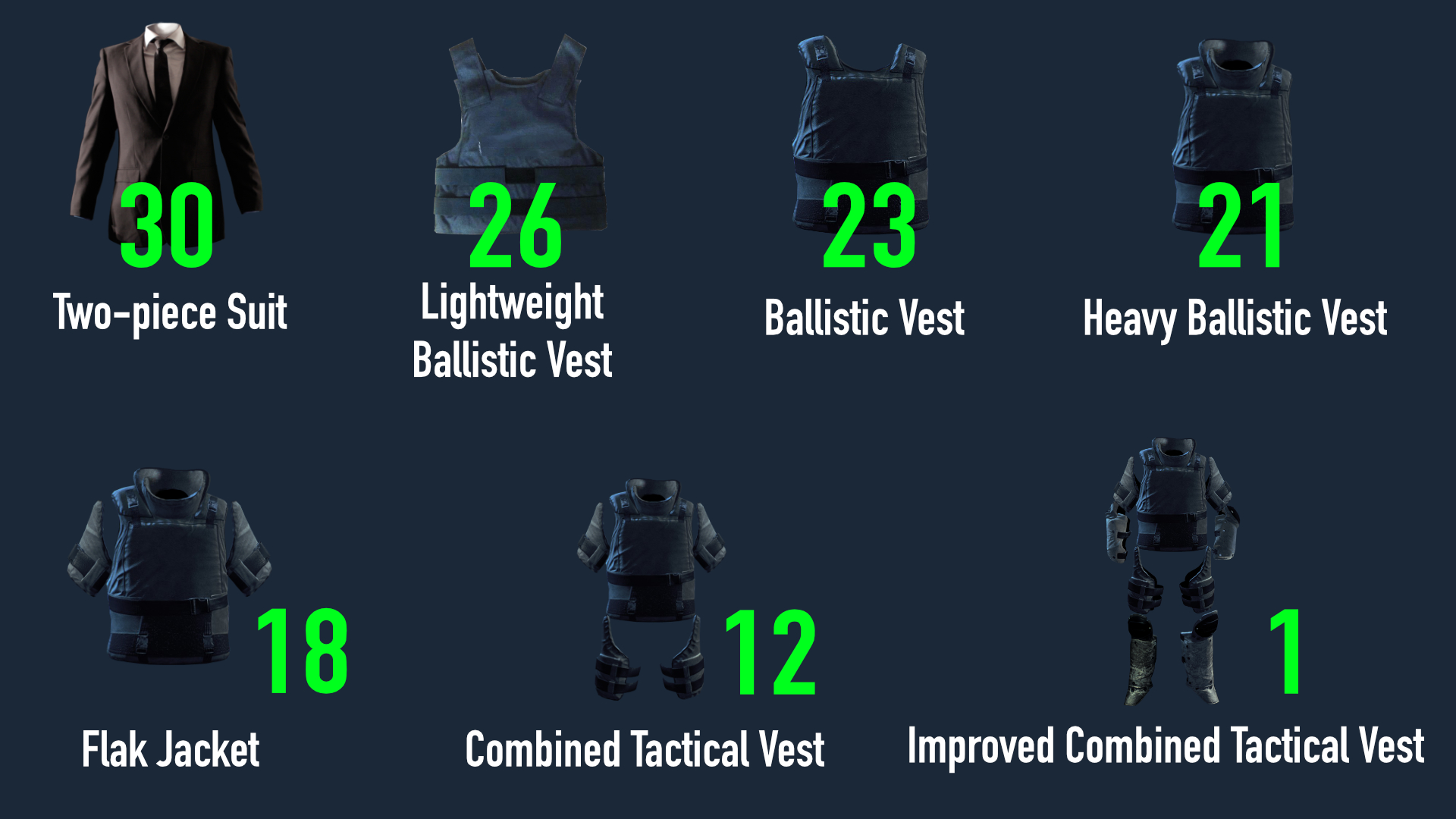
For contemporary, light would be thicker clothes like leather jackets/boots, medium would add ballistic vests/jackets and knee/elbow pads, and heavy would be riot/blast armor.
What does armor type look like in non-medieval fantasy games?
e.g., VTMB/urban fantasy, Standard Science Fiction, etc.,?
Payday 2 (not an RPG) has a concealment stat that would play nicely with a VTMBesque setting. Also derived from your weapons, a long rifle vs a stubby for example.
Last edited by Oyster Sauce on April 8th, 2026, 04:54, edited 1 time in total.
I've always said, even on this site, that armor should work with damage mitigation and should be layered. The best armor has always been a layered system designed to protect the wearer from all sorts of attacks.
Very few games do it like this, with KC:D being one of the most recent entries to do it and also have hit locations. Its still not perfect but its a step in the right direction. Avoidance/Dodge chance should be tied to attributes like Agility or Speed or Dexterity and armor should only mitigate damage. This way, what Rusty was saying about Bilbo/Frodo using mythril still makes sense. Due to their size they are somewhat dodgy but they are wearing armor for protection when the time comes, like what WhiteShark was saying which is the problem with "dodge tanks" in games like Fire Emblem.
Armor becomes increasingly more expensive and, ideally, should also come with an encumbrance cost. In this manner the decision becomes a balancing act. Too much armor leaves little encumbrance allowance for other gear, unless you invest on Strength/Might/Body to be able to carry more on your person. Someone with low strength would then be encouraged to go "light" on armor, meaning a gambeson, padded jack or any other sort of textile armor and rely more on their speed/agility for dodging or using ranged weapons to avoid melee altogether.
Damage mitigation should be extremely strong on the high end, like the General class in Fire Emblem that can straight up become almost immune to physical damage. However, much like in FE, Criticals or other such type of special attacks should be able to bypass armor. So a man-at-arms decked on full plate harness is almost impervious to damage on a 1:1 but becomes vulnerable if 2 or 3 more combatants can pin him to the ground to exploit the gaps (Backstab/Sneak Attack/Critical Hit due to being prone)
Mail was almost never worn alone because the metal would chafe on the joints and armpits. At the very least, a few layers of thick clothing beneath but that would hamper mobility. Most of the times, a specific style of gambeson, thinner than one used alone for battle but thicker than just 3 layers of regular clothing, would be used beneath. This wasn't just to prevent the aforementioned chafing, but as a layered system. The mail protects from cuts and the gambeson absorbs kinetic impact. Alone, both are weaker to those respective damage sources, together they provide excellent protection.
This is also why you must design the weapons in the same fashion. Weapons and armor have always been an arms race. You can't design one in isolation to the other. They should counter each other. Sure, a flanged mace would destroy an unarmored opponent, but it was designed specifically to deliver so much blunt force damage so as to be able to go through plate, not to "dent" or rupture the metal harness, but for the kinetic energy to affect the flesh on the layers below. The famous "mordhau" or "murder stroke", using the quillons on the cross-guard of the sword or the pommel to strike at the head of the opponent won't kill someone with a metal helmet and most of the times it won't damage the helmet that much, but the impact damage goes through the metal and padding and rattles you, your ears will ring and you will get dizzy for a moment. This is enough for someone to tackle the man-at-arms and then, once he is on the ground, he is vulnerable to the gaps being exploited.
Plate armor should be impervious to slashing/cutting damage, only vulnerable to piercing damage from a source that can bypass armor, like a critical hit/sneak attack and moderately resistant to impact damage. This is why daggers, such as the rondel, where used to strike at knights in very close quarters combat. Mail should be almost impervious to cuts/slashes, mildly resistant to piercing and almost useless against impact/blunt damage. Gambeson should be mildly resistant to slashing/cuts, better than nothing but still very weak against piercing and good at resisting blunt/impact.
All weapons should deal an amount of impact damage, even a sword has impact, but the primary damage source should be slashing. The same with a spear. A mace or club would deal only impact damage and those weapons would be the biggest sources of impact damage, but nothing else. Then we leverage the computing power of videogames, to make the math instantaneous. You take a slash attack that will deliver x amount of impact damage and y amount of slashing damage, for this weapon type, impact will always be low and slashing damage will be high. Excellent for defeating unarmored opponents. Them, all your layers of armor and their respective resistance values to each damage source are added together. Any damage that goes through affects the target creature when the attack is resolved.
Ideally, damage sources should have rider effects, slashing should always have a chance to inflict damage over time due to bleeding. Impact damage should have a chance to stun. I know this makes it very complicated but why not? Why not model a more accurate abstraction on how medieval weapons and armor interact while taking advantage of the computing power of videogames?
On a ttrpg all this crunch would be hard on the people running and playing the game, on a videogame it could work perfectly fine. Like I said, KCD tries something like this but its rudimentary. It needed to go deeper. Weapons are tools for war. You should take the best tool for the job. Going against a dragon? Take weapons that can defeat the scales, high piercing damage to pierce the gaps or high impact damage do go through them. Going against undead? Leave the maces behind, focus on poles to keep them at bay, they are slow, leverage the reach advantage. Going against orcs? They are savage and will be mostly unarmored, bring the swords to bleed them out and counter their high HP.
In any event, if nothing else, designers must remember that weapons and armor should compete with each other and should never be designed in isolation. A good armor system in a game necessitates a good weapon system. Weapon variety without armor variety or vice versa is a mistake.
I've always said, even on this site, that armor should work with damage mitigation and should be layered. The best armor has always been a layered system designed to protect the wearer from all sorts of attacks.
Very few games do it like this, with KC:D being one of the most recent entries to do it and also have hit locations. Its still not perfect but its a step in the right direction. Avoidance/Dodge chance should be tied to attributes like Agility or Speed or Dexterity and armor should only mitigate damage. This way, what Rusty was saying about Bilbo/Frodo using mythril still makes sense. Due to their size they are somewhat dodgy but they are wearing armor for protection when the time comes, like what WhiteShark was saying which is the problem with "dodge tanks" in games like Fire Emblem.
Armor becomes increasingly more expensive and, ideally, should also come with an encumbrance cost. In this manner the decision becomes a balancing act. Too much armor leaves little encumbrance allowance for other gear, unless you invest on Strength/Might/Body to be able to carry more on your person. Someone with low strength would then be encouraged to go "light" on armor, meaning a gambeson, padded jack or any other sort of textile armor and rely more on their speed/agility for dodging or using ranged weapons to avoid melee altogether.
Damage mitigation should be extremely strong on the high end, like the General class in Fire Emblem that can straight up become almost immune to physical damage. However, much like in FE, Criticals or other such type of special attacks should be able to bypass armor. So a man-at-arms decked on full plate harness is almost impervious to damage on a 1:1 but becomes vulnerable if 2 or 3 more combatants can pin him to the ground to exploit the gaps (Backstab/Sneak Attack/Critical Hit due to being prone)
Mail was almost never worn alone because the metal would chafe on the joints and armpits. At the very least, a few layers of thick clothing beneath but that would hamper mobility. Most of the times, a specific style of gambeson, thinner than one used alone for battle but thicker than just 3 layers of regular clothing, would be used beneath. This wasn't just to prevent the aforementioned chafing, but as a layered system. The mail protects from cuts and the gambeson absorbs kinetic impact. Alone, both are weaker to those respective damage sources, together they provide excellent protection.
This is also why you must design the weapons in the same fashion. Weapons and armor have always been an arms race. You can't design one in isolation to the other. They should counter each other. Sure, a flanged mace would destroy an unarmored opponent, but it was designed specifically to deliver so much blunt force damage so as to be able to go through plate, not to "dent" or rupture the metal harness, but for the kinetic energy to affect the flesh on the layers below. The famous "mordhau" or "murder stroke", using the quillons on the cross-guard of the sword or the pommel to strike at the head of the opponent won't kill someone with a metal helmet and most of the times it won't damage the helmet that much, but the impact damage goes through the metal and padding and rattles you, your ears will ring and you will get dizzy for a moment. This is enough for someone to tackle the man-at-arms and then, once he is on the ground, he is vulnerable to the gaps being exploited.
Plate armor should be impervious to slashing/cutting damage, only vulnerable to piercing damage from a source that can bypass armor, like a critical hit/sneak attack and moderately resistant to impact damage. This is why daggers, such as the rondel, where used to strike at knights in very close quarters combat. Mail should be almost impervious to cuts/slashes, mildly resistant to piercing and almost useless against impact/blunt damage. Gambeson should be mildly resistant to slashing/cuts, better than nothing but still very weak against piercing and good at resisting blunt/impact.
All weapons should deal an amount of impact damage, even a sword has impact, but the primary damage source should be slashing. The same with a spear. A mace or club would deal only impact damage and those weapons would be the biggest sources of impact damage, but nothing else. Then we leverage the computing power of videogames, to make the math instantaneous. You take a slash attack that will deliver x amount of impact damage and y amount of slashing damage, for this weapon type, impact will always be low and slashing damage will be high. Excellent for defeating unarmored opponents. Them, all your layers of armor and their respective resistance values to each damage source are added together. Any damage that goes through affects the target creature when the attack is resolved.
Ideally, damage sources should have rider effects, slashing should always have a chance to inflict damage over time due to bleeding. Impact damage should have a chance to stun. I know this makes it very complicated but why not? Why not model a more accurate abstraction on how medieval weapons and armor interact while taking advantage of the computing power of videogames?
On a ttrpg all this crunch would be hard on the people running and playing the game, on a videogame it could work perfectly fine. Like I said, KCD tries something like this but its rudimentary. It needed to go deeper. Weapons are tools for war. You should take the best tool for the job. Going against a dragon? Take weapons that can defeat the scales, high piercing damage to pierce the gaps or high impact damage do go through them. Going against undead? Leave the maces behind, focus on poles to keep them at bay, they are slow, leverage the reach advantage. Going against orcs? They are savage and will be mostly unarmored, bring the swords to bleed them out and counter their high HP.
In any event, if nothing else, designers must remember that weapons and armor should compete with each other and should never be designed in isolation. A good armor system in a game necessitates a good weapon system. Weapon variety without armor variety or vice versa is a mistake.
That's all well and good but… consider the following:
I've always said, even on this site, that armor should work with damage mitigation and should be layered. The best armor has always been a layered system designed to protect the wearer from all sorts of attacks.
Very few games do it like this, with KC:D being one of the most recent entries to do it and also have hit locations. Its still not perfect but its a step in the right direction. Avoidance/Dodge chance should be tied to attributes like Agility or Speed or Dexterity and armor should only mitigate damage. This way, what Rusty was saying about Bilbo/Frodo using mythril still makes sense. Due to their size they are somewhat dodgy but they are wearing armor for protection when the time comes, like what WhiteShark was saying which is the problem with "dodge tanks" in games like Fire Emblem.
Armor becomes increasingly more expensive and, ideally, should also come with an encumbrance cost. In this manner the decision becomes a balancing act. Too much armor leaves little encumbrance allowance for other gear, unless you invest on Strength/Might/Body to be able to carry more on your person. Someone with low strength would then be encouraged to go "light" on armor, meaning a gambeson, padded jack or any other sort of textile armor and rely more on their speed/agility for dodging or using ranged weapons to avoid melee altogether.
Damage mitigation should be extremely strong on the high end, like the General class in Fire Emblem that can straight up become almost immune to physical damage. However, much like in FE, Criticals or other such type of special attacks should be able to bypass armor. So a man-at-arms decked on full plate harness is almost impervious to damage on a 1:1 but becomes vulnerable if 2 or 3 more combatants can pin him to the ground to exploit the gaps (Backstab/Sneak Attack/Critical Hit due to being prone)
Mail was almost never worn alone because the metal would chafe on the joints and armpits. At the very least, a few layers of thick clothing beneath but that would hamper mobility. Most of the times, a specific style of gambeson, thinner than one used alone for battle but thicker than just 3 layers of regular clothing, would be used beneath. This wasn't just to prevent the aforementioned chafing, but as a layered system. The mail protects from cuts and the gambeson absorbs kinetic impact. Alone, both are weaker to those respective damage sources, together they provide excellent protection.
This is also why you must design the weapons in the same fashion. Weapons and armor have always been an arms race. You can't design one in isolation to the other. They should counter each other. Sure, a flanged mace would destroy an unarmored opponent, but it was designed specifically to deliver so much blunt force damage so as to be able to go through plate, not to "dent" or rupture the metal harness, but for the kinetic energy to affect the flesh on the layers below. The famous "mordhau" or "murder stroke", using the quillons on the cross-guard of the sword or the pommel to strike at the head of the opponent won't kill someone with a metal helmet and most of the times it won't damage the helmet that much, but the impact damage goes through the metal and padding and rattles you, your ears will ring and you will get dizzy for a moment. This is enough for someone to tackle the man-at-arms and then, once he is on the ground, he is vulnerable to the gaps being exploited.
Plate armor should be impervious to slashing/cutting damage, only vulnerable to piercing damage from a source that can bypass armor, like a critical hit/sneak attack and moderately resistant to impact damage. This is why daggers, such as the rondel, where used to strike at knights in very close quarters combat. Mail should be almost impervious to cuts/slashes, mildly resistant to piercing and almost useless against impact/blunt damage. Gambeson should be mildly resistant to slashing/cuts, better than nothing but still very weak against piercing and good at resisting blunt/impact.
All weapons should deal an amount of impact damage, even a sword has impact, but the primary damage source should be slashing. The same with a spear. A mace or club would deal only impact damage and those weapons would be the biggest sources of impact damage, but nothing else. Then we leverage the computing power of videogames, to make the math instantaneous. You take a slash attack that will deliver x amount of impact damage and y amount of slashing damage, for this weapon type, impact will always be low and slashing damage will be high. Excellent for defeating unarmored opponents. Them, all your layers of armor and their respective resistance values to each damage source are added together. Any damage that goes through affects the target creature when the attack is resolved.
Ideally, damage sources should have rider effects, slashing should always have a chance to inflict damage over time due to bleeding. Impact damage should have a chance to stun. I know this makes it very complicated but why not? Why not model a more accurate abstraction on how medieval weapons and armor interact while taking advantage of the computing power of videogames?
On a ttrpg all this crunch would be hard on the people running and playing the game, on a videogame it could work perfectly fine. Like I said, KCD tries something like this but its rudimentary. It needed to go deeper. Weapons are tools for war. You should take the best tool for the job. Going against a dragon? Take weapons that can defeat the scales, high piercing damage to pierce the gaps or high impact damage do go through them. Going against undead? Leave the maces behind, focus on poles to keep them at bay, they are slow, leverage the reach advantage. Going against orcs? They are savage and will be mostly unarmored, bring the swords to bleed them out and counter their high HP.
In any event, if nothing else, designers must remember that weapons and armor should compete with each other and should never be designed in isolation. A good armor system in a game necessitates a good weapon system. Weapon variety without armor variety or vice versa is a mistake.
That's all well and good but… consider the following:
► Show Spoiler
Yes, but that's the case for any sort of armor system. Lighting bolt goes ignores AC. In fact, it would also be a tool for war and a greater reason why plate should be almost impervious to physical damage. Whip the lighting elemental magic to counter that.
You're boring me man. A entire post about your complicated armor system and when something magical comes along the answer is to just dump it?
I am not sure what you mean. Mundane armor should not be resistant to magic. Specially not against lighting. And, that was in response to Rusty. My point was that armor is already unable to resist against magic in almost all videogames and TTRPGs.
And, as such, it would reinforce the need for plate armor to be extremely effective in resisting physical attacks to have an actual reason to use magic to defeat it.
EDIT: Spelling.
Last edited by Cipher on April 8th, 2026, 06:20, edited 1 time in total.
you'd be much better off getting hit by lightning in full plate armor than out of it, it would arc across the surface, and if you were wearing plate booties, maybe not too badly damaged
you'd be much better off getting hit by lightning in full plate armor than out of it, it would arc across the surface, and if you were wearing plate booties, maybe not too badly damaged
Would it really be better? I believe it would be just as bad. The heat will make it so the metal burns the skin and then it gets stuck on the armor. Getting it off would mean pealing large parts of your skin, causing all sorts of pain, wounds and bleeding. Which is the same for a fireball. Sure, a glancing blow from something like burning hands or such would be best to tank it with armor on, but something that engulfs you in flame would not only burn you but also make it so the metal remains red hot and sears into your skin like an oven/frying pan.
Elemental damage would almost always defeat any kind of armor. And sure, if we also divide magic into damage sources, then gambeson, mail and plate should have low resistance to stuff like fire, acid and cold but not too much. That way it could emulate the relative protection of a small source of those elemental damage types but still be mostly useless against the moneymakers like fireball, lighting bolt or cone of cold.
and then it gets stuck on the armor. Getting it off would mean pealing large parts of your skin,
You're forgetting the cloth layers that would provide some protection, but you'd want to get out of the armor pretty fast and/or cooled down. This is assuming a lightning bolt from the sky, not a magical (and presumably significantly weaker) lightning bolt, of course.
You would need to have a system where if the player wants to wear most heavy armors, their character would have to undergo a process of it being mounted on. An overwhelming majority of heavy armors were not able to be adorned by a single person onto themselves.
Even a fighter would want to wear something like that under his plate armor.
Now that's the thing that irks me about most armor systems - you're can choose plate armor or chainmail, but never the twain shall meet.
Battle Bros was supposed to have a layering system. The hurdle to tankdom should be your characters' strength, and how many movements per turn their APs or endurance. There's encumbrance to think about, like needing a squire to lug your gear for you, that being a tank shouldn't take any arbitrary measures to balance. I like Damage Thresholds, too. I don't like armor and weapons breaking, unless you hit something with a high enough DT, but I like maintenance and modifications on armors.
You would need to have a system where if the player wants to wear most heavy armors, their character would have to undergo a process of it being mounted on. An overwhelming majority of heavy armors were not able to be adorned by a single person onto themselves.
Things can get very complicated very fast.
AD&D 2E had rules for donning full plate that required assistance. It is mostly the arms and chest. The pauldrons on the shoulders and the front and back plate for the cuirass and aligning the arm protection with the shoulder one handed would be an extreme hassle if not impossible.
This is why full plate was the choice of the nobles, while free fighting men would use mail. Some breastplates were also designed to be donned unassisted. And of course, earlier coat of plates and later brigandine armors are designed to protect the chest and back and can be donned unassisted.
you can choose plate armor or chainmail, but never the twain shall meet
Historically, this is accurate.
Linen and thick cloth and leather gave way to chainmail, which gave way to breastplates, when they could actually make metal good enough to first make wire, then large reliable plates.
There's no point to having chain under a breastplate, because the chain will basically never stop anything that penetrated, but it will always weigh you down.
Now a gambeson with chain mail reinforcements on areas the plate doesn't cover was used hstorically.
It really depends. Transitional armour, when plate began to be used saw it mounted above mail. Specialised voiders were not made until nearly 200 years later. Presumably because it was not an issue of weight if you generally fought on horse. If there's no need to change it, why bother?
It's also not strictly true that armour followed cloth, to leather, to mail, to plate. The Greeks had bronze plate in the 15th Century BC. It was more a question of cost, weight, and need. The Greeks designed later hoplite panoply around where they expected to get hit - chest, shins, wrists, and head. You don't bother armouring something that is not a risk.
There is a key consideration for an adventurer, that a soldier does not have - you rarely, if ever, fight as a unit. This may compell you to make different decisions in how you arm yourself.
You would need to have a system where if the player wants to wear most heavy armors, their character would have to undergo a process of it being mounted on. An overwhelming majority of heavy armors were not able to be adorned by a single person onto themselves.
Things can get very complicated very fast.
Again it depends, some armour can be almost fully equipped personally, others not so much, but even a single other assistant, say in a party - would solve that immediately.
I think realistically it's simply a question of sound, dexterity, and magic. A rogue should likely avoid a plate harness due to the noise. Likewise, a fighter would obviously choose metal against cloth if able, and a mage may have some magically restrictive issue to consider.
The issue of cost is problematic because in most if not all RPG's you become so fabulously wealthy that it defeats the point of adventuring very quickly. Unless you've got an ulterior motive, but at that point why not hire a warband?
Armor types have its use in pvp games like Dark Age of Camelot. Its one of the things you pick up on after playing for hundreds of hours usually. Certain armors are resistent or vulnerable to certain damage types. And it will make quite a difference if you carry a good amount of weapons with you for all occasions. And preperation is rewarded. Even tho usually 2-3 swap in weapons are enough for most classes at least for resistance stuff. But you also select weapons on their proccs and usually most melees start with a weapon which gives a celerity procc then switch to another weapon for more damage.
I've always said, even on this site, that armor should work with damage mitigation and should be layered. The best armor has always been a layered system designed to protect the wearer from all sorts of attacks.
Very few games do it like this, with KC:D being one of the most recent entries to do it and also have hit locations. Its still not perfect but its a step in the right direction. Avoidance/Dodge chance should be tied to attributes like Agility or Speed or Dexterity and armor should only mitigate damage. This way, what Rusty was saying about Bilbo/Frodo using mythril still makes sense. Due to their size they are somewhat dodgy but they are wearing armor for protection when the time comes, like what WhiteShark was saying which is the problem with "dodge tanks" in games like Fire Emblem.
Armor becomes increasingly more expensive and, ideally, should also come with an encumbrance cost. In this manner the decision becomes a balancing act. Too much armor leaves little encumbrance allowance for other gear, unless you invest on Strength/Might/Body to be able to carry more on your person. Someone with low strength would then be encouraged to go "light" on armor, meaning a gambeson, padded jack or any other sort of textile armor and rely more on their speed/agility for dodging or using ranged weapons to avoid melee altogether.
Damage mitigation should be extremely strong on the high end, like the General class in Fire Emblem that can straight up become almost immune to physical damage. However, much like in FE, Criticals or other such type of special attacks should be able to bypass armor. So a man-at-arms decked on full plate harness is almost impervious to damage on a 1:1 but becomes vulnerable if 2 or 3 more combatants can pin him to the ground to exploit the gaps (Backstab/Sneak Attack/Critical Hit due to being prone)
Mail was almost never worn alone because the metal would chafe on the joints and armpits. At the very least, a few layers of thick clothing beneath but that would hamper mobility. Most of the times, a specific style of gambeson, thinner than one used alone for battle but thicker than just 3 layers of regular clothing, would be used beneath. This wasn't just to prevent the aforementioned chafing, but as a layered system. The mail protects from cuts and the gambeson absorbs kinetic impact. Alone, both are weaker to those respective damage sources, together they provide excellent protection.
This is also why you must design the weapons in the same fashion. Weapons and armor have always been an arms race. You can't design one in isolation to the other. They should counter each other. Sure, a flanged mace would destroy an unarmored opponent, but it was designed specifically to deliver so much blunt force damage so as to be able to go through plate, not to "dent" or rupture the metal harness, but for the kinetic energy to affect the flesh on the layers below. The famous "mordhau" or "murder stroke", using the quillons on the cross-guard of the sword or the pommel to strike at the head of the opponent won't kill someone with a metal helmet and most of the times it won't damage the helmet that much, but the impact damage goes through the metal and padding and rattles you, your ears will ring and you will get dizzy for a moment. This is enough for someone to tackle the man-at-arms and then, once he is on the ground, he is vulnerable to the gaps being exploited.
Plate armor should be impervious to slashing/cutting damage, only vulnerable to piercing damage from a source that can bypass armor, like a critical hit/sneak attack and moderately resistant to impact damage. This is why daggers, such as the rondel, where used to strike at knights in very close quarters combat. Mail should be almost impervious to cuts/slashes, mildly resistant to piercing and almost useless against impact/blunt damage. Gambeson should be mildly resistant to slashing/cuts, better than nothing but still very weak against piercing and good at resisting blunt/impact.
All weapons should deal an amount of impact damage, even a sword has impact, but the primary damage source should be slashing. The same with a spear. A mace or club would deal only impact damage and those weapons would be the biggest sources of impact damage, but nothing else. Then we leverage the computing power of videogames, to make the math instantaneous. You take a slash attack that will deliver x amount of impact damage and y amount of slashing damage, for this weapon type, impact will always be low and slashing damage will be high. Excellent for defeating unarmored opponents. Them, all your layers of armor and their respective resistance values to each damage source are added together. Any damage that goes through affects the target creature when the attack is resolved.
Ideally, damage sources should have rider effects, slashing should always have a chance to inflict damage over time due to bleeding. Impact damage should have a chance to stun. I know this makes it very complicated but why not? Why not model a more accurate abstraction on how medieval weapons and armor interact while taking advantage of the computing power of videogames?
On a ttrpg all this crunch would be hard on the people running and playing the game, on a videogame it could work perfectly fine. Like I said, KCD tries something like this but its rudimentary. It needed to go deeper. Weapons are tools for war. You should take the best tool for the job. Going against a dragon? Take weapons that can defeat the scales, high piercing damage to pierce the gaps or high impact damage do go through them. Going against undead? Leave the maces behind, focus on poles to keep them at bay, they are slow, leverage the reach advantage. Going against orcs? They are savage and will be mostly unarmored, bring the swords to bleed them out and counter their high HP.
In any event, if nothing else, designers must remember that weapons and armor should compete with each other and should never be designed in isolation. A good armor system in a game necessitates a good weapon system. Weapon variety without armor variety or vice versa is a mistake.
Cool post, does a good job of representing this view point. I am on the other side of simulationism most of the time because what I really care about is an interesting challenge. The main problem I would have with a system like you have proposed is that it is at the mercy of the lowly item designer getting the weight and encumbrance numbers correct. And I'm not talking about the armor items, I'm talking about the multitude of quest items, crafting ****, etc.
That said, why have a blind spot for carrying capacity in the simulationist perspective? Nobody is fighting with a pack anything like we see in a typical game. Carrying capacity should be essentially zero for everyone who is fighting.