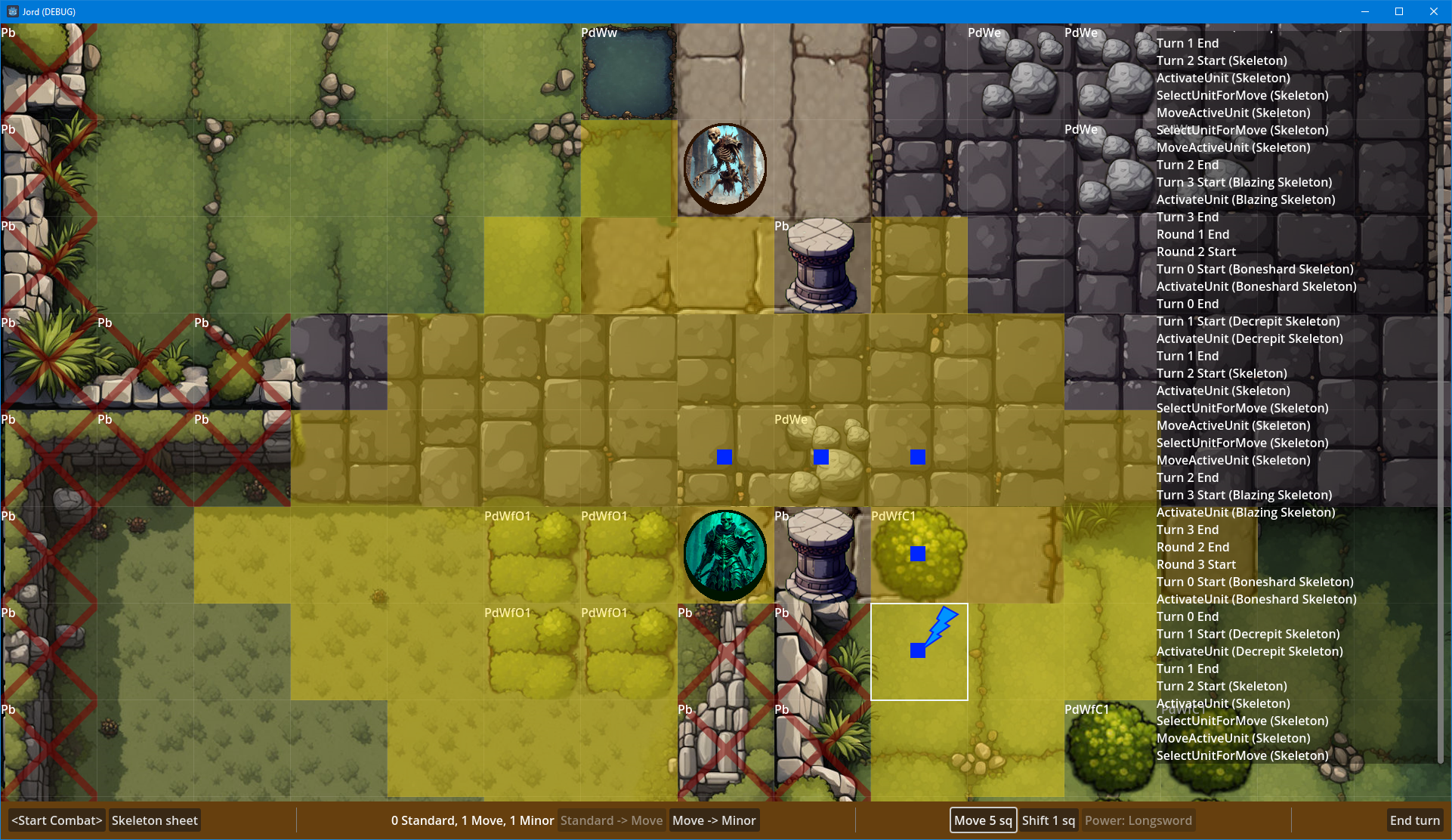
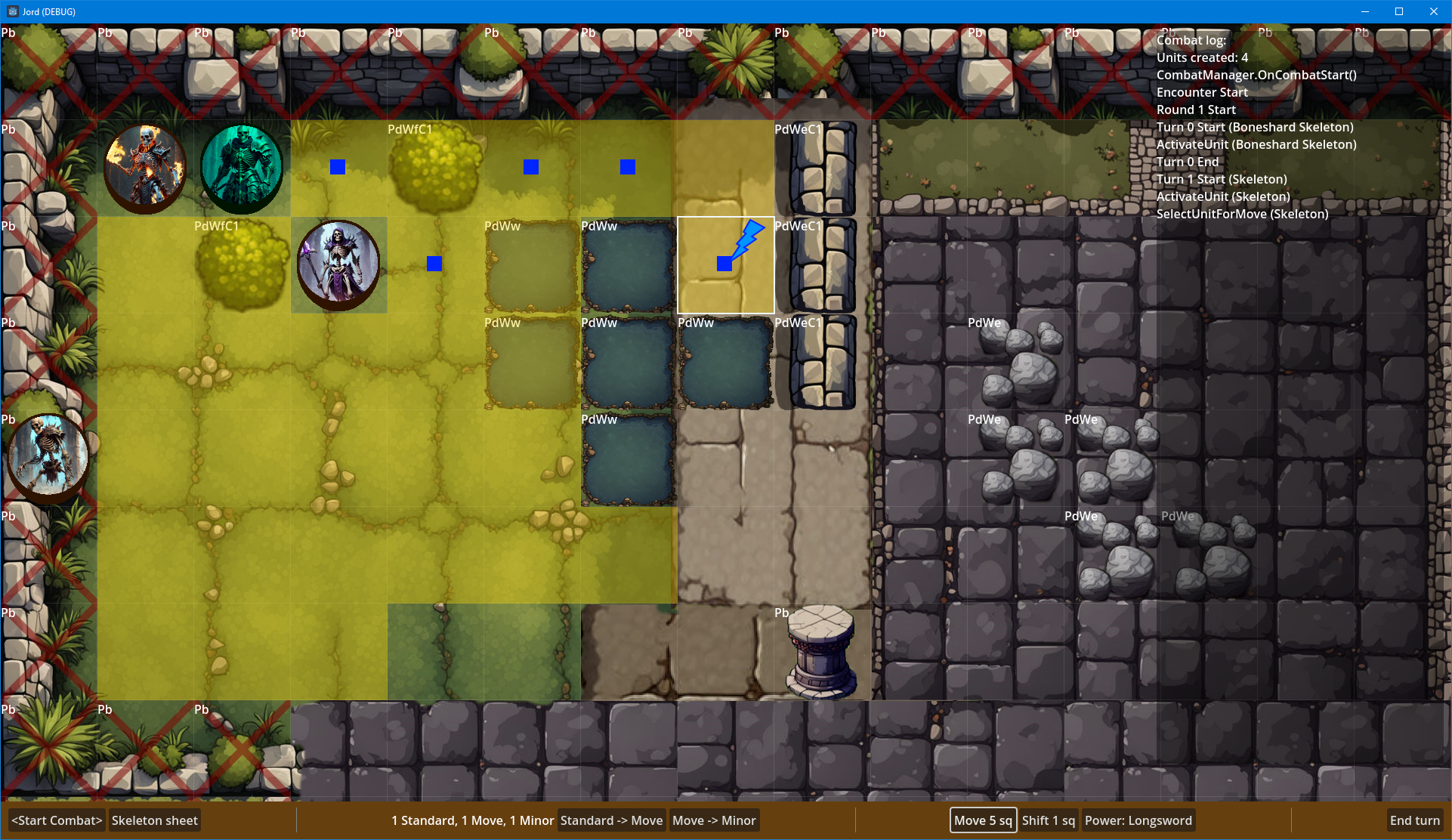
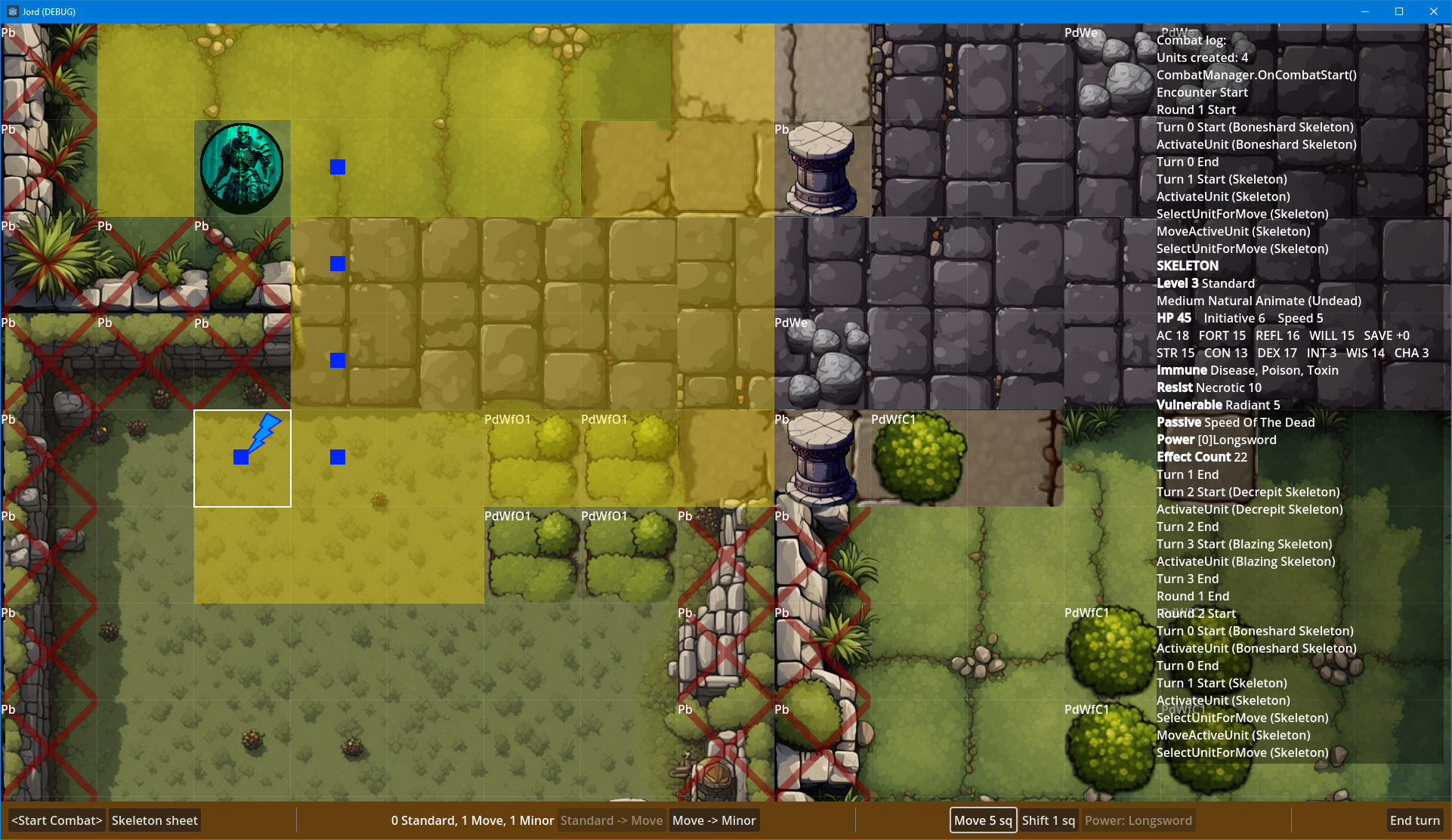
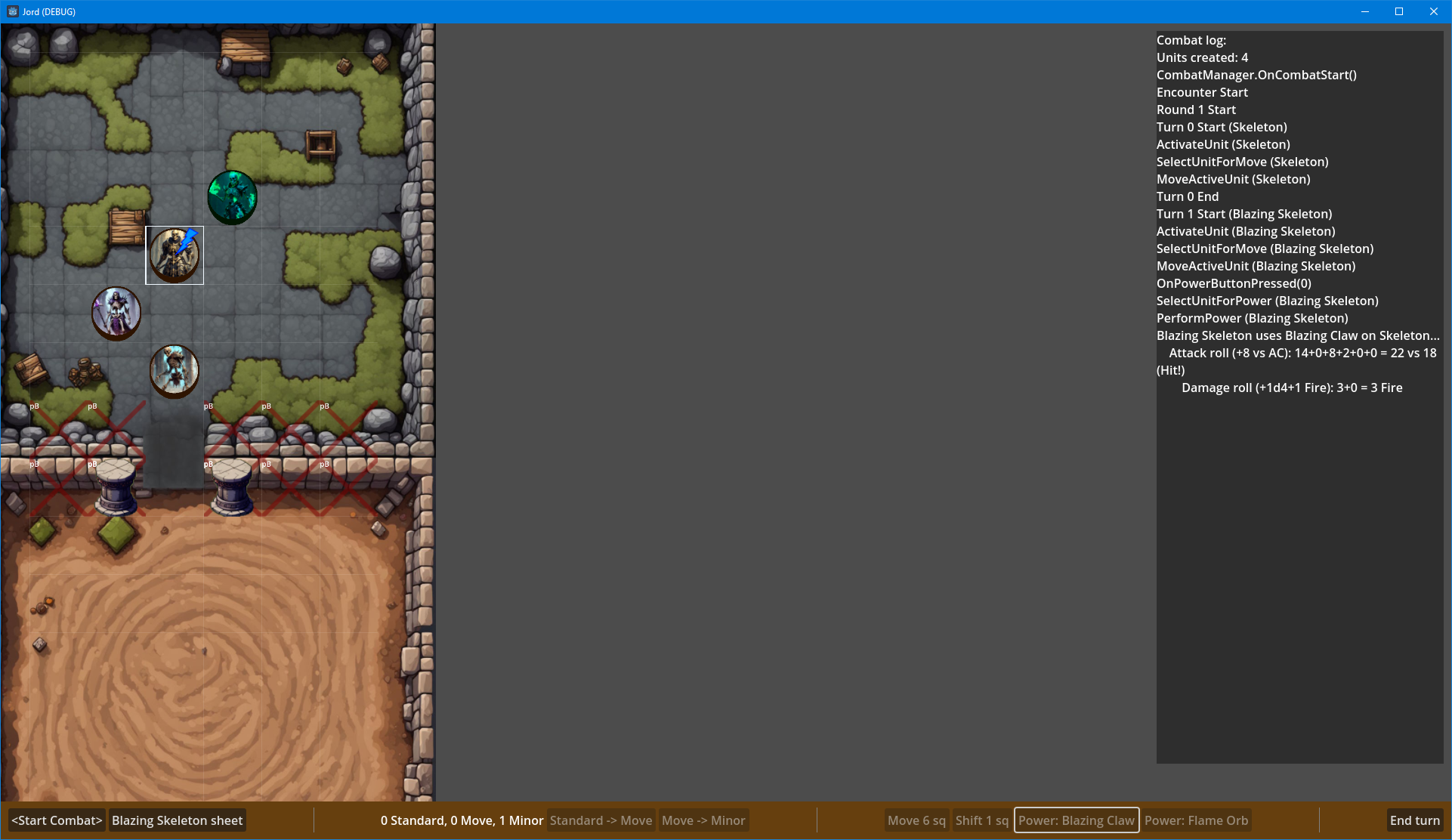
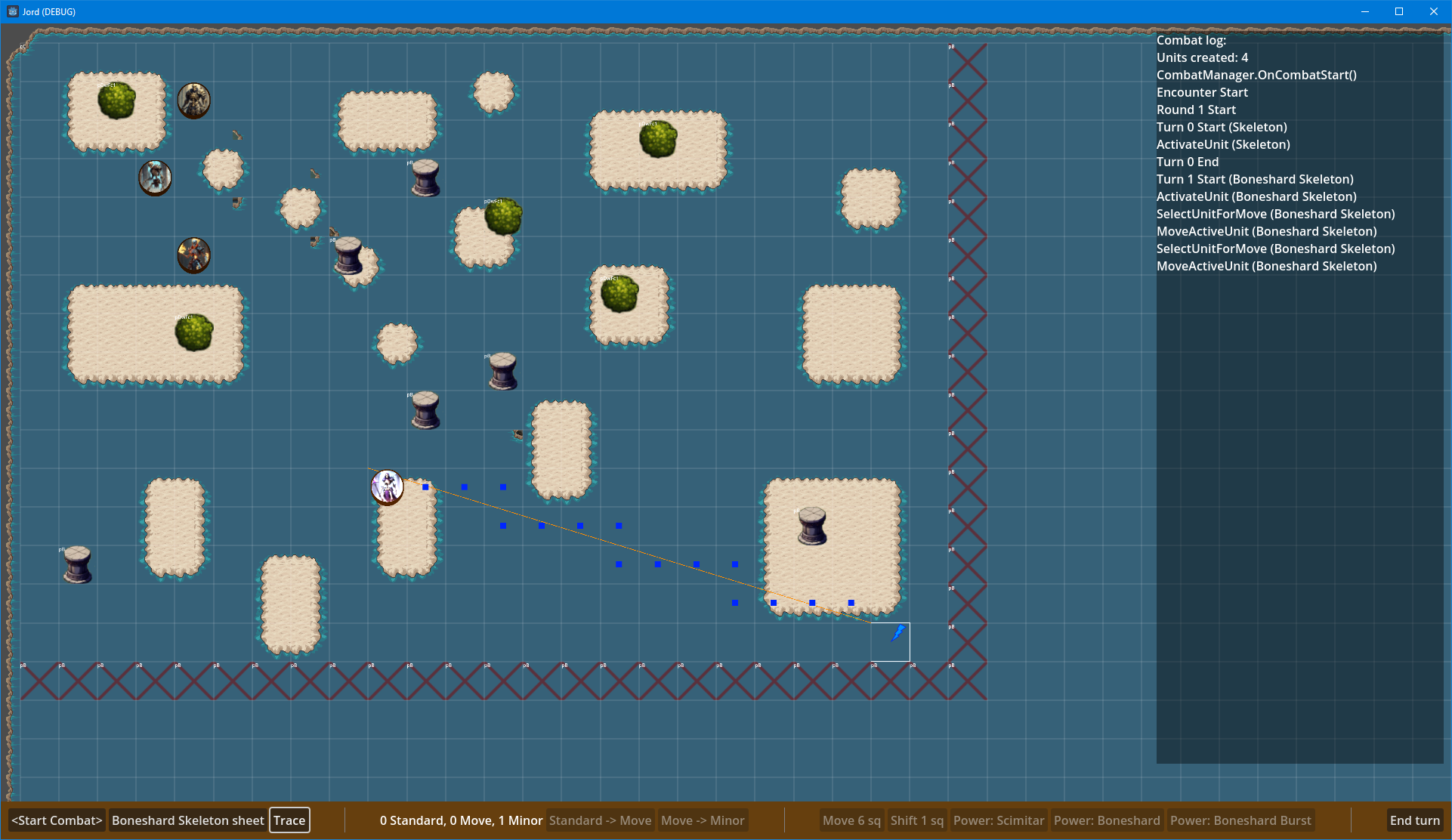
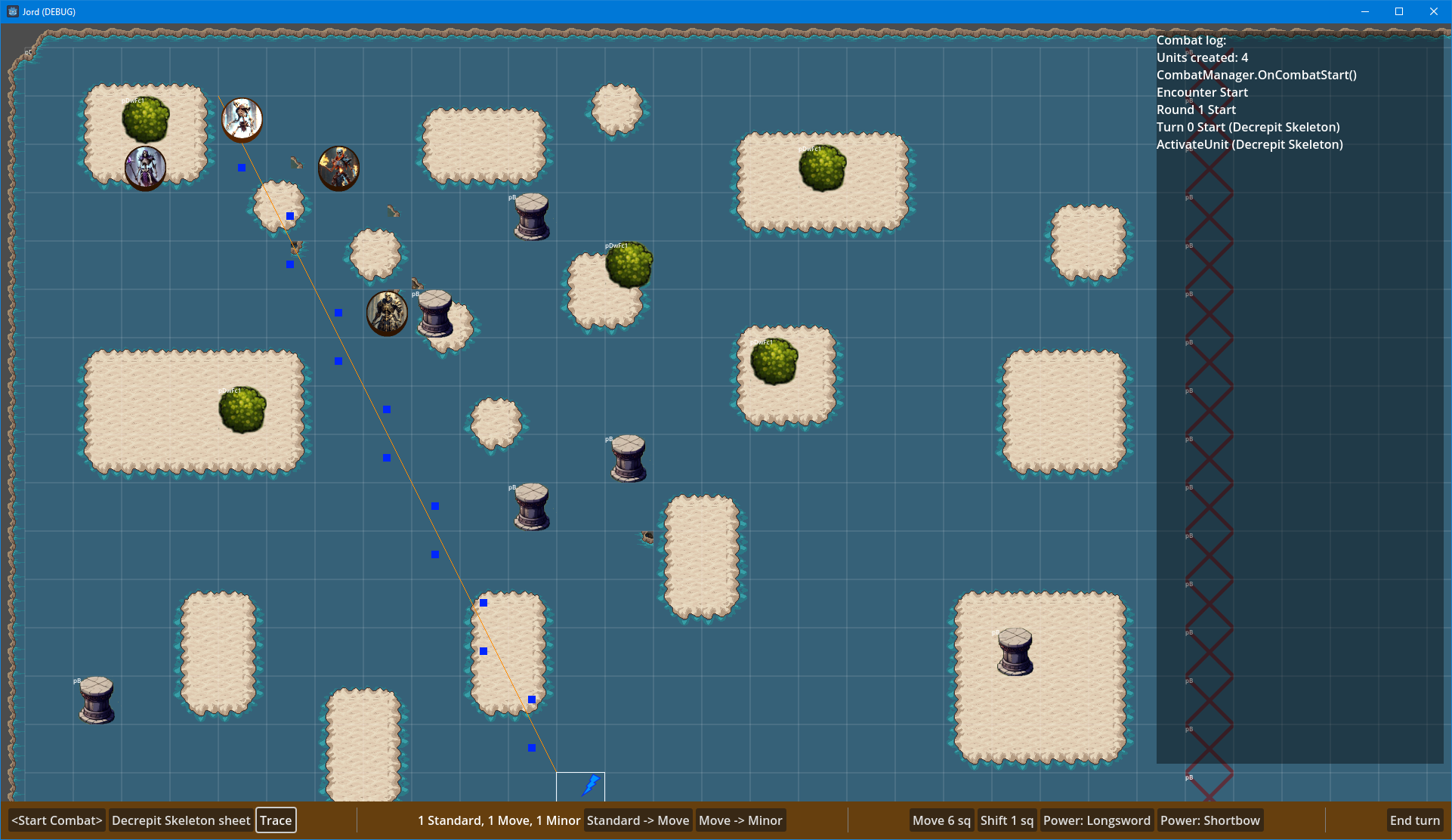
The concealment rules in 4e are very clear and easy to perform. You just determine if two characters are adjacent to each other or not and how obscured the target is. The cover rules are a different matter.
Since I'm not going to perform 64 ray traces each time someone tries to target a large creature, I thought I'd canvas for some rule interpretations. Text in
teal is of concern to me. Even at the table, allowing players to
choose how a mechanic is calculated seems like it should be restricted to high level spells or daily powers. To say nothing of the concerns of slowing down play, or getting different results based on which corner is selected. I guess the other interpretation is that the DM should pick the corner for the calculation, in which case I guess whatever I decide here is RAW.

Rules Compendium, page 219
Cover
Targets behind a low wall, around a corner, or behind a tree enjoy some amount of cover. They can’t be hit as easily as normal—the attacker takes a penalty to attack rolls against them. There are two degrees of cover.
- Partial Cover (–2 Penalty to Attack Rolls): An attacker takes a –2 penalty to attack rolls against a target that has partial cover (sometimes simply called “cover”). The target is around a corner or protected by terrain. For instance, the target might be in the same square as a small tree, obstructed by a small pillar or a large piece of furniture, or crouching behind a low wall.
- Superior Cover (–5 Penalty to Attack Rolls): An attacker takes a –5 penalty to attack rolls against a target that has superior cover. The target is protected by a significant terrain advantage, such as when fighting from behind a window, a portcullis, a grate, or an arrow slit.
The following rules govern both degrees of cover.
Determining Cover: To determine if a target has cover,
choose a corner of a square the attacker occupies, or a corner of the attack’s origin square, and trace imaginary lines from that corner to every corner
of any one square that the target occupies. If one or two of those lines are blocked by an obstacle or an enemy, the target has partial cover. (A line isn’t blocked if it runs along the
edge of an obstacle’s or an enemy’s square.) If three or four of those lines are blocked yet line of effect remains—such as when a target is behind an arrow slit—the target has superior cover.
Reach: If a creature that has reach (see “Creature Size and Space,” page 199) attacks through terrain that would grant cover if the target were in it, the target has cover. For instance, even if a target isn’t in the same square as a small pillar, it has cover against the greatclub attack of an ogre on the other side of the pillar.
Area Attacks and Close Attacks: Against an area attack or a close attack, a target has cover only if there is an obstruction between it and the attack’s origin square.
Creatures and Cover: When a creature makes a ranged attack against an enemy target and other enemies are in the way, the target has partial cover. A creature’s allies never grant cover to the creature’s enemies, and neither allies nor enemies grant cover against melee, close, or area attacks.
I'm going to assume that the ruling around
'edge' also applies to
'corner' in the case of the line being traced through a square's corner.
The issue I see is in the choosing of start and end points for determining cover is that it isn't fun to ask players to choose this when using a ranged attack, and the calculation should be intuitive. With a single-target ranged attack it would be possible to just perform all of the calculations and give the player the most favorable option, but that changes when dealing with area of effect abilities.
The options that I see:
- Always use the top-left corner of the origin square for determining cover.
- Use the center of the origin square instead of a corner. (This is far simpler and produces the same results in most cases, does anyone know why this wasn't the RAW? Or have a counterargument for making this change?)
- Calculate all 4 corners and give the player the best result.
- Calculate all 4 corners and give the player the worst result.
The even bigger concern I have is related to the choosing of a single square to perform this calculation on a large to gargantuan creature. For a huge creature, it is simple enough to rule that you use the center square because they take up a 3x3 region, but choosing which square counts as cover for a creature that takes up 16 grid squares has a bad feel to it. For non-area attacks this could be accomplished implicitly by allowing a player to target a specific square. Again, that feels weird, especially if the other squares a character is occupying are all in cover.
The rule change that I am considering would eliminate the ambiguity and is again simpler than RAW:
- "...trace imaginary lines ... to every corner of any one square the rectangular region that the target occupies."
Interested in others' thoughts, deep lore, and personal experiences.






 donate to the HQ